Unveiling the Mind: More Visible Than We Think
February 7, 2025 - 23:15
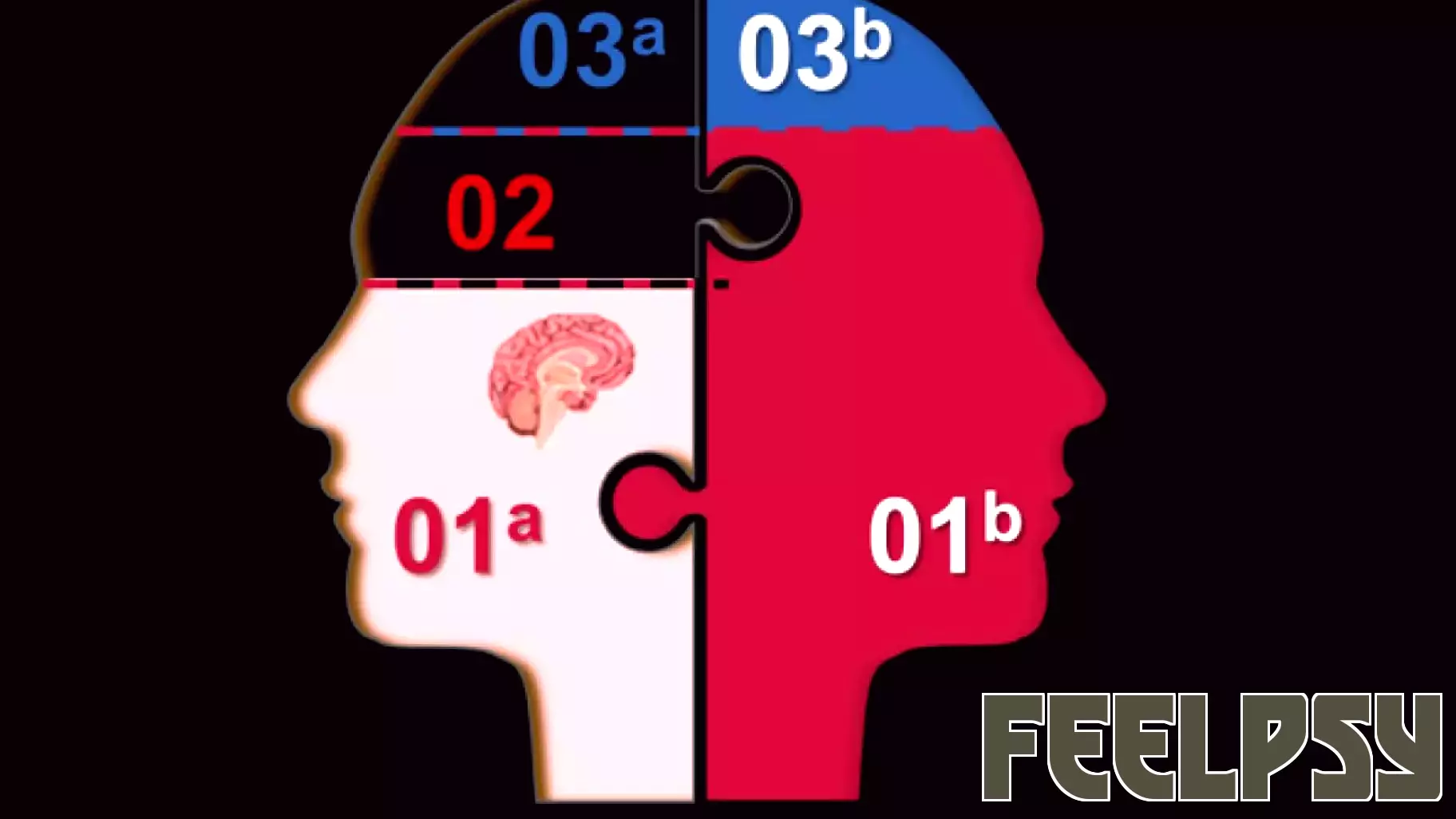
The concept of the mind has long been shrouded in mystery, often regarded as an invisible force driving behavior and experiences. However, recent discussions challenge this notion, suggesting that much of the mind's workings are, in fact, observable. While traditional views emphasize the intangible aspects of mental processes, emerging research indicates that various elements of cognition and emotion can be detected and measured.
Neuroscientific advancements have allowed researchers to visualize brain activity, revealing how thoughts and feelings manifest in physical responses. Techniques such as functional MRI and EEG provide insights into how different mental states correlate with specific neural patterns. Furthermore, behavioral cues, such as body language and facial expressions, offer additional evidence of the mind's influence on actions.
This growing understanding encourages a more nuanced perspective on the mind, recognizing that while some aspects may remain elusive, many components are indeed visible and accessible for study. As science continues to explore the intricacies of the mind, it becomes increasingly clear that the interplay between the visible and invisible plays a crucial role in shaping human behavior.
MORE NEWS

October 27, 2026 - 08:59
Singapore Introduces Peer Support Training for Youth Mental HealthSingapore has rolled out a new volunteer initiative aimed at equipping young people with psychological first aid skills and peer support techniques for use during emergencies and crises. The...

October 26, 2026 - 23:30
The Hidden Patterns That Shape Who We Respect and Who We IgnoreRespect rarely operates as a conscious decision. Most people believe they choose whom to admire based on merit, character, or achievement. The reality is far less deliberate. Unconscious mechanisms...

October 26, 2026 - 11:46
Voices Rise Over AI Fears, Subway Delays and the Roots of ViolenceReaders are pushing back on the growing presence of artificial intelligence in daily life, questioning both its promises and its risks. In a wave of letters, New Yorkers raised concerns about...

October 25, 2026 - 18:51
The Psychology Behind Why To-Do Lists Feel So RewardingWriting a to-do list can produce a genuine sense of accomplishment, even before any actual work begins. A psychologist explains that this feeling is rooted in how the brain responds to planning and...