Brain Health and Physical Performance in 70-Year-Olds
December 31, 2024 - 18:43
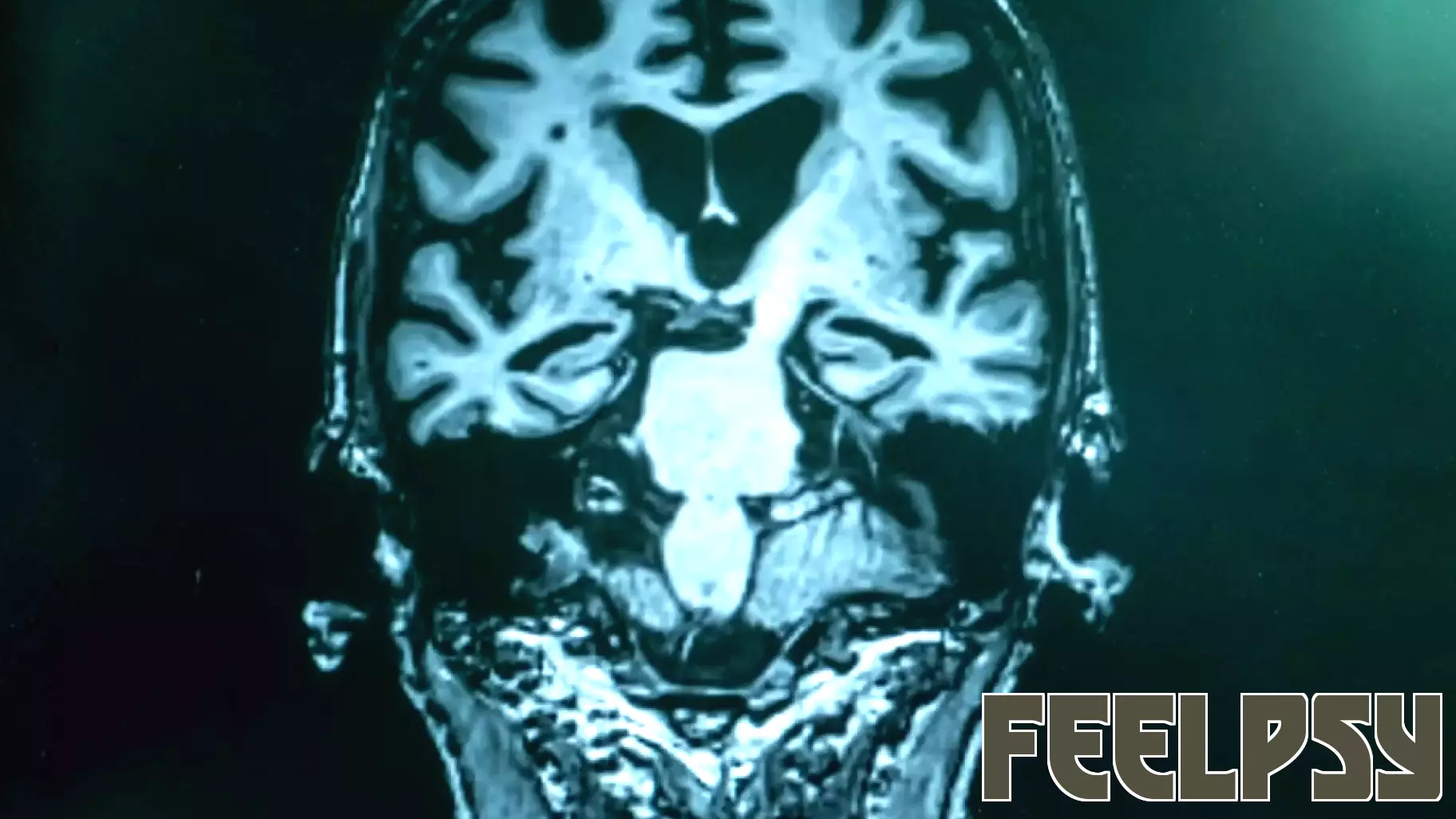
A recent study highlights significant differences in cognition, physical performance, and overall brain health among 70-year-olds. Researchers identified an "optimal" group of seniors who exhibited remarkable advantages over their peers. This group, characterized by higher levels of education, demonstrated lower cardiovascular risks, indicating a strong correlation between heart health and cognitive function.
Additionally, these individuals showed reduced signs of white matter disease, which is often linked to cognitive decline. The optimal group also had a thicker cortex and larger brain volume, both of which are associated with better cognitive abilities. These findings suggest that lifestyle factors, such as education and cardiovascular health, play a crucial role in maintaining brain function and physical performance as individuals age.
The implications of this study are profound, emphasizing the importance of proactive health measures and educational opportunities to promote better brain health in older adults. As the population ages, understanding these factors will be essential for enhancing quality of life in seniors.
MORE NEWS

October 27, 2026 - 08:59
Singapore Introduces Peer Support Training for Youth Mental HealthSingapore has rolled out a new volunteer initiative aimed at equipping young people with psychological first aid skills and peer support techniques for use during emergencies and crises. The...

October 26, 2026 - 23:30
The Hidden Patterns That Shape Who We Respect and Who We IgnoreRespect rarely operates as a conscious decision. Most people believe they choose whom to admire based on merit, character, or achievement. The reality is far less deliberate. Unconscious mechanisms...

October 26, 2026 - 11:46
Voices Rise Over AI Fears, Subway Delays and the Roots of ViolenceReaders are pushing back on the growing presence of artificial intelligence in daily life, questioning both its promises and its risks. In a wave of letters, New Yorkers raised concerns about...

October 25, 2026 - 18:51
The Psychology Behind Why To-Do Lists Feel So RewardingWriting a to-do list can produce a genuine sense of accomplishment, even before any actual work begins. A psychologist explains that this feeling is rooted in how the brain responds to planning and...